
How to Choose a Somatic Healing Practitioner (US & UK)
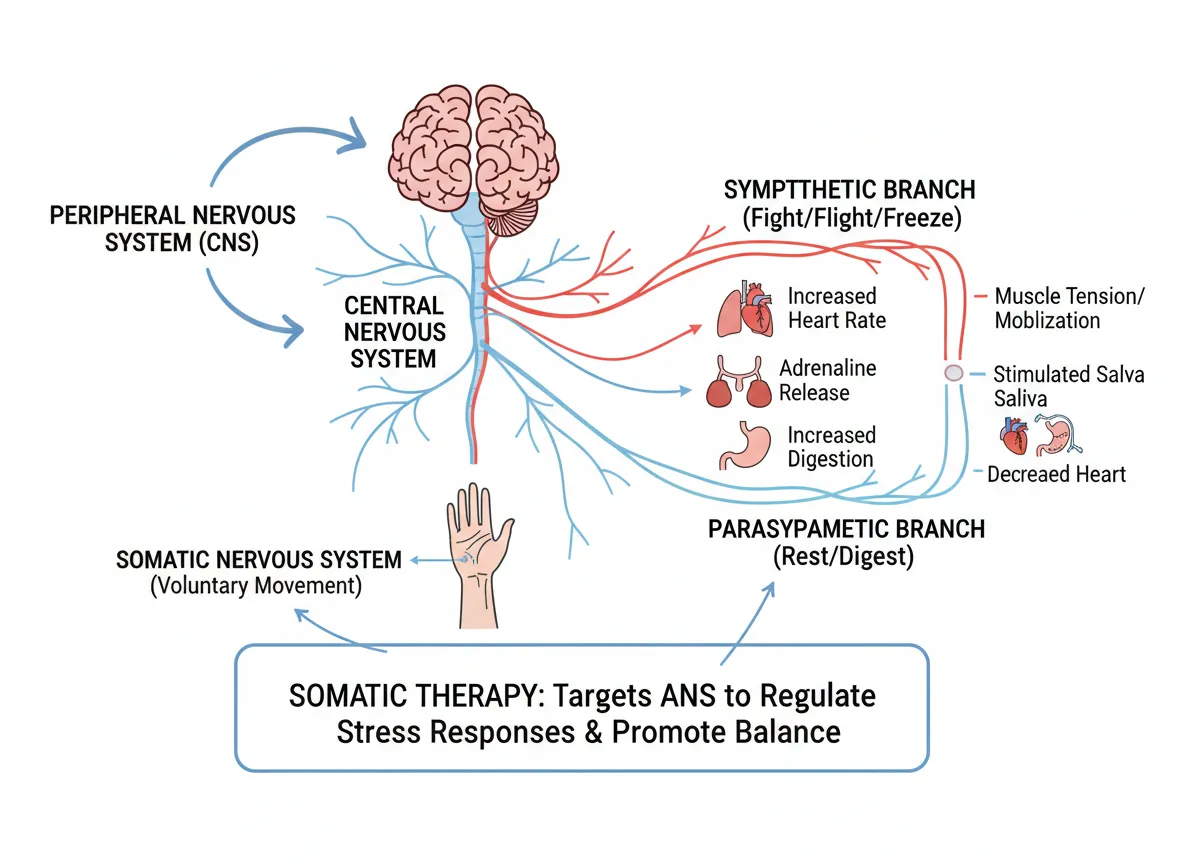
Somatic healing (also called somatic therapy) is a holistic approach that connects mind and body, helping people release trauma and chronic tension held in the body[1][2]. Rather than treating only thoughts, it works by tuning into physical sensations and nervous-system responses. For example, trauma can cause the body to tense, hold pain, or trigger “freeze” reactions. Somatic practitioners guide you to notice these sensations – gently breathing, moving or grounding – so the nervous system can unravel stuck patterns. This often reveals emotions or memories tied to the sensation, allowing healing without necessarily reliving the event[3].
Somatic Therapy in the UK and US – What to Expect
The basic principles of somatic therapy are shared in the UK and US, but there can be regional nuances. In both countries, many practitioners blend Western clinical training with body-based methods. For example, a UK counselor might be trained in sensorimotor psychotherapy or Somatic Experiencing (SE), while in the US you’ll also find practitioners integrating indigenous bodywork or mindfulness-based somatic approaches. Importantly, top UK practitioners often hold formal certifications in somatic modalities on top of counseling credentials[4]. In fact, “the best somatic therapists in the UK…often complete rigorous certifications beyond basic counseling degrees,” ensuring they can safely guide complex bodywork[4].
By contrast, many US somatic therapists emphasize ongoing education and cultural sensitivity as key qualities. They may participate in international workshops or community forums to learn the latest body-mind techniques. One writer notes that leading somatic therapists in the US prioritize “collaborative care, cultural sensitivity, ongoing education, and flexible methods,” valuing client feedback and safety over quick fixes[5]. In practice, this means a good therapist (in either country) will listen to your background and tailor the work to you – whether that’s addressing cultural factors, belief systems, or simply your comfort level with touch.

Key Factors to Consider
When comparing somatic therapists, ask about their training, experience, and approach. Important factors include:
- Specialized Somatic Training: Check for formal training in respected modalities (e.g. Somatic Experiencing, Sensorimotor Psychotherapy, Hakomi, etc.). Practitioners often undergo extensive programs (sometimes 2–3 years) covering anatomy, neurobiology, trauma work, and ethical touch[4][1]. Proper somatic healing training equips therapists to read body cues and guide the nervous system safely.
- Experience with Your Issues: Look for therapists who’ve worked with your specific concerns (trauma, anxiety, chronic pain, etc.). Experienced practitioners will adapt somatic exercises to fit your story – for example, someone with PTSD might start very gently with breathing and gentle movement to avoid overwhelm.
- Therapeutic Style: Ask about their usual session flow. Some may use light touch or massage; others focus on breathwork, mindful movement, or guided visualization. Others still work entirely without touch, using only verbal guidance and your self-exploration. (There’s no “one right way,” but clarity in advance helps you feel safe.)
- Cultural Sensitivity: Ensure the therapist is comfortable with your cultural, gender, or spiritual identity. Cultural competence – the therapist’s awareness of how factors like race, gender or religion shape healing – is now recognized as essential in therapy[6]. A culturally sensitive somatic therapist will ask about your context and avoid assumptions, creating a welcoming space for your whole self.
- Practicalities: Consider logistics such as location (in-person vs. online), session length, availability, and cost. Some somatic work may be covered by health insurance (especially if done by licensed counselors), but check this ahead of time.
Choosing a therapist is also about personal fit. We all have a sense of safety and trust; it’s okay to meet a few practitioners (many offer a free initial consultation) and go with the one where you feel understood.

Clearing Up Common Misconceptions
It’s normal to have questions or doubts about somatic therapy. Here are some myths and realities:
- Not Just Relaxing Massage: Somatic therapy isn’t merely spa relaxation. While it can feel calming, it often involves active awareness. You might be invited to notice tightness in your shoulders or to breathe into a knot in your stomach, rather than just receiving passive touch. The goal is to rewire your nervous system – helping it learn to settle on its own – not just provide a one-time relaxation[7].
- Complement to Talk Therapy: Somatic therapy doesn’t replace traditional psychotherapy; it complements it. Instead of rehashing the past, it helps your body release stored stress and “resets” reactivity. This can make concurrent talk therapy more effective. In fact, one guide explains somatic work as an “add-on, a way to reach emotional wounds that lie beneath words,” preparing the body so cognitive work can take deeper effect[8][7].
- Trauma Doesn’t Always Mean Reliving the Past: You won’t be forced to dive into traumatic memories. Instead, somatic therapists focus on the present-moment sensations linked to those memories, within a safe boundary. This gently renegotiates trauma without retraumatizing you[9][3].
- Energy Work is Optional: Some assume somatic healing is inherently “spiritual” or new-age. In truth, its core is neuroscience and physiology. However, some practitioners do incorporate energy-based modalities (like Kundalini Activation Therapy Massage, discussed below) if it fits your interests[10][4]. Such techniques are complementary – not required – and most therapists emphasize grounding and safety first. Somatic therapy remains rooted in tangible body cues and trauma science, making it accessible regardless of spiritual beliefs[10][11].
- Not a Quick Fix: Healing is a process. Most therapists will stress that progress comes with time and practice. You may practice grounding or simple exercises between sessions. Patience and consistency often bring more lasting change than expecting instant “cures.”
In short, a qualified therapist will set realistic expectations and explain the process clearly. Don’t hesitate to ask them about any myths you’ve heard; their answers can tell you a lot about their approach.
Exploring Additional Modalities
Somatic therapists often blend multiple approaches. For example, many integrate mindfulness, gentle movement, breathwork, or even bodywork and massage. One unique technique to be aware of is Kundalini Activation Therapy Massage. This practice (sometimes called Kundalini Awakening Massage) aims to activate energy at the base of the spine (chakra work) alongside body awareness. It can involve light touch or massage patterns to release energetic blockages[12][4]. While not every therapist offers it, it may be a powerful complement if you’re drawn to subtle-energy work.
No matter the mix, the key is that techniques are tailored to you. If you’re curious about a particular modality – say, meditation, craniosacral work, or Thai bodywork – ask the therapist if they can integrate it. The best practitioners will explain how these tools fit your goals and will ensure each session feels personalized.

Finding Your Practitioner
Begin your search by exploring professional directories and referrals. In the UK, for example, the Somatic Experiencing Association UK has a practitioner registry (SEA UK), and UK Therapy Guide lists vetted somatic therapists[13][2]. In the US, Psychology Today and local trauma-centers often list certified somatic practitioners. You can also ask counselors, doctors or friends for recommendations – especially those who understand your needs.
When you find candidates, consider contacting 2–3 therapists for a brief phone/video chat. Ask about their training (“somatic healing training” specifics), experience, session format, and how they handle safety and boundaries. Notice how clearly they explain things and whether they seem to listen well. Trust and comfort are just as important as credentials.
A written list of questions can help you compare therapists. For example: “What certification do you have in Somatic Experiencing or related fields?” or “Can you describe a typical first session?” Their answers will give you insight into their approach and help you gauge your rapport.
What to Expect in a First Session
A typical first session often starts with a conversation about your history and goals. The therapist may ask about your health, trauma background (if any), and current symptoms. They will explain somatic therapy basics so you know what’s ahead. You might practice a simple grounding exercise together – for instance, noticing your breath or gently scanning your body for tension.
Expect the experience to feel different from talk therapy. You may sense physical feelings (warmth, tingling, heaviness) or emotional responses (tears, relief, or even laughter) as you notice and release tension. It’s also possible that nothing dramatic happens initially; progress can be subtle and cumulative. Trust the process: as one client story puts it, sometimes change is only noticed later (“my partner said I was calmer even though I hadn’t felt any big shift during session”)[14].
Your therapist should check in frequently, asking how you feel and adjusting pace. They will remind you that you can pause or stop at any time. After the session, it’s common to feel tired or lighter. Many therapists recommend resting, drinking water, or journaling to integrate whatever came up. Over time, you may notice small improvements – better sleep, less physical tension, or increased emotional resilience.
Cultural Sensitivity and Inclusivity
Healing happens best when you feel seen and respected. Reputable practitioners in both countries prioritize creating an inclusive environment. This means acknowledging how race, gender, religion, age, or social factors influence your experience. As one expert notes, cultural competence means a therapist has the awareness, knowledge, and skills to work effectively with diverse clients[6].
When interviewing therapists, you can ask: “Have you worked with clients from [my background or identity]?” or “How do you make sessions feel safe for someone of my culture/identity?”. A culturally sensitive therapist will welcome these questions. In the UK, many professional bodies now encourage ongoing diversity training, so you might even see mention of cultural competence in a therapist’s bio[6]. You should feel comfortable discussing any personal aspect of your identity or asking for accommodations (e.g. gendered language, religious considerations, etc.).
Teletherapy and Online Options
The digital age has made somatic healing more accessible, but it does change the experience. Many qualified therapists now offer online (telehealth) somatic sessions, expanding options for those in remote areas or with mobility issues. The convenience of meeting from home can reduce anxiety for some clients[15]. Research on online therapy (in general) shows it can be as effective as in-person work[15].
That said, understand the trade-offs. Some somatic techniques rely on in-person presence. For example, Wilson College notes that therapies “which incorporate physical components” (like hands-on somatic work) are typically done face-to-face[16]. If you prefer in-person bodywork (breath coaching, subtle touch, massage), seek a local practitioner. If online is your only option, ask the therapist how they adapt – often by focusing on breath, guided movement you do on your own, or internal awareness. A clear teletherapy plan and good internet setup will help your sessions feel safe and productive.
Final Thoughts
Choosing a somatic therapist need not be overwhelming. Start by clarifying what you want (stress relief, trauma recovery, self-awareness, etc.), and give yourself permission to explore a few options. Rely on evidence and expertise: look for practitioners with somatic healing training who balance science with empathy. Listen to your intuition during consultations – feeling genuinely heard is a strong sign of a good fit.
Somatic healing can be a powerful journey. As one guide emphasizes, it’s about “reconnecting with your body and emotions in a way that feels meaningful and safe for you.”[3][4]. Whether you’re dealing with long-held trauma or simply seeking a deeper mind-body connection, the right practitioner is out there. With realistic expectations and a bit of research, you can find someone who helps transform how you experience stress and well-being. Good luck on your healing path – it’s a step toward understanding and caring for your whole self.