

The Benefits of Choosing a VIP Tantric Massage in London

London is one of the world’s most dynamic cities, but its pace can be demanding. Long working hours, constant digital stimulation, and limited time for genuine rest have led many people to seek more meaningful approaches to relaxation and wellbeing. Among the wide range of wellness options available, VIP tantric massage has emerged as a refined, highly personalised experience for those seeking deeper restoration.

Choosing a VIP tantric massage in London is not about indulgence alone. When delivered by experienced practitioners, it becomes a structured, mindful form of bodywork that supports physical relaxation, emotional balance, and nervous system regulation. This article explores why VIP tantric massage stands apart, what makes it different from standard treatments, and how it can support long-term wellbeing when approached professionally.

Understanding VIP Tantric Massage in a Modern Wellness Context

Before exploring the benefits, it is important to clarify what VIP tantric massage represents today.

Tantric massage in London has evolved significantly from its ancient roots. In a contemporary setting, it is offered as a consent-based, therapeutic practice that integrates:

  • Slow, mindful touch

  • Breath awareness

  • Body presence

  • Emotional safety

The “VIP” aspect does not imply excess. Instead, it refers to personalization, discretion, and advanced practitioner skill, ensuring that each session is tailored to the individual rather than delivered as a generic service.

What Makes a VIP Experience Different?

Personalized Attention From Start to Finish

A VIP tantric massage session begins long before the massage itself. Practitioners typically take time to understand:

  • Your lifestyle and stress patterns

  • Your physical comfort levels

  • Your intentions for relaxation or restoration

This personalized approach ensures that the session supports your wellbeing rather than following a fixed routine.

A Private and Calm Environment

VIP sessions priorities privacy and comfort. Discreet settings allow clients to relax without distractions, supporting deeper nervous system relaxation.

This is especially valued in a city like London, where personal space is often limited.

The Role of Expertise in VIP Tantric Massage

One of the key reasons to choose a VIP experience is access to Tantric massage experts in London who have invested years in professional training.

Experienced practitioners bring:

  • Knowledge of anatomy and stress responses

  • An understanding of breath and pacing

  • Clear ethical boundaries

  • The ability to adapt touch to individual needs

This expertise transforms the massage into a therapeutic process rather than a superficial experience.

How VIP Tantric Massage Supports Deep Relaxation

Slowing the Nervous System

Modern stress keeps the body in a constant state of alert. VIP tantric massage uses slow, continuous movements to encourage the nervous system to shift from “fight or flight” into “rest and digest”.

This can support:

  • Lower stress hormone levels

  • Improved sleep quality

  • Reduced physical tension

Many people seeking adult massage London options are not looking for intensity, but for genuine rest—something VIP tantric massage prioritises.

A Holistic Approach to Body Awareness

Tantric massage emphasizes body awareness, helping individuals reconnect with physical sensation in a safe and respectful way.

This awareness can:

  • Improve posture and movement

  • Reduce habitual tension

  • Support emotional regulation

Rather than focusing on one area, the practice works with the body as an interconnected whole.

Why VIP Tantric Massage Feels More Restorative

Time and Pacing Matter

Unlike standard treatments that may feel rushed, VIP sessions allow time for:

  • Gradual relaxation

  • Integration of sensations

  • Natural emotional release

This slower pace often results in longer-lasting benefits after the session ends.

Respectful, Structured Touch

Professional tantric massage avoids abrupt transitions. Touch is applied with intention, clarity, and respect, ensuring that relaxation unfolds naturally.

Emotional Wellbeing and Stress Management

Stress is not only physical—it is emotional. VIP tantric massage provides a space where emotional tension can soften without being analysed or forced.

Clients often report:

  • Feeling calmer and clearer

  • Improved mood stability

  • Greater emotional resilience

This is one reason why tantric massage is increasingly explored as a complementary approach to stress management in urban environments.

Discretion and Professional Ethics

Choosing a VIP experience also means choosing clear professional standards.

Reputable practitioners ensure:

  • Transparent communication before sessions

  • Respect for personal boundaries

  • Ongoing consent throughout the experience

  • Confidentiality at all times

These principles distinguish high-quality services from unregulated offerings.

The Importance of Environment in a VIP Experience

The setting plays a crucial role in relaxation. VIP tantric massage environments are typically designed to:

  • Minimize sensory overload

  • Use soft lighting and natural textures

  • Encourage a sense of safety and calm

In London, where external stimulation is constant, this contrast can be deeply restorative.

Who Chooses VIP Tantric Massage in London?

People who seek VIP tantric massage often include:

  • Professionals managing high stress levels

  • Individuals seeking deeper relaxation than standard spa treatments

  • Those interested in mindful bodywork

  • Clients who value privacy and personalization

The appeal lies not in novelty, but in quality and care.

How VIP Tantric Massage Fits Into a Wellness Lifestyle

VIP tantric massage works best when combined with supportive habits such as:

  • Regular rest and hydration

  • Gentle movement or stretching

  • Breath awareness or meditation

Rather than being a one-off experience, it can become part of a broader approach to wellbeing.

Common Misconceptions About VIP Tantric Massage

“It’s only about luxury”

While comfort matters, the true value lies in personalisation and practitioner expertise.

“It’s not therapeutic”

When delivered professionally, tantric massage supports stress reduction and body awareness.

“It’s unsuitable for professionals”

Many professionals choose VIP sessions precisely because of discretion and structure.

Choosing the Right Practitioner in London

When selecting a VIP tantric massage, look for:

  • Clear communication before booking

  • Professional presentation and training

  • A calm, private environment

  • Emphasis on wellbeing rather than promises

Working with recognized Tantric massage experts in London helps ensure a safe, high-quality experience.

Final Thoughts: Is VIP Tantric Massage Worth Choosing?

Choosing a VIP tantric massage in London is about prioritising depth over speed, quality over quantity, and wellbeing over novelty. The combination of personalised care, professional expertise, and mindful touch creates an experience that supports genuine relaxation in a demanding city.

For those exploring adult massage London options with a focus on calm, discretion, and holistic care, VIP tantric massage offers a structured and respectful path to restoration.

A Thoughtful Next Step

If you are considering deeper relaxation and mindful bodywork, exploring tantric massage in London with experienced practitioners can offer valuable insight into safe, structured, and professional care.

True wellbeing is not about escape—it is about learning how to slow down, reconnect with your body, and restore balance in everyday life.

How to Choose a Somatic Healing Practitioner (US & UK)

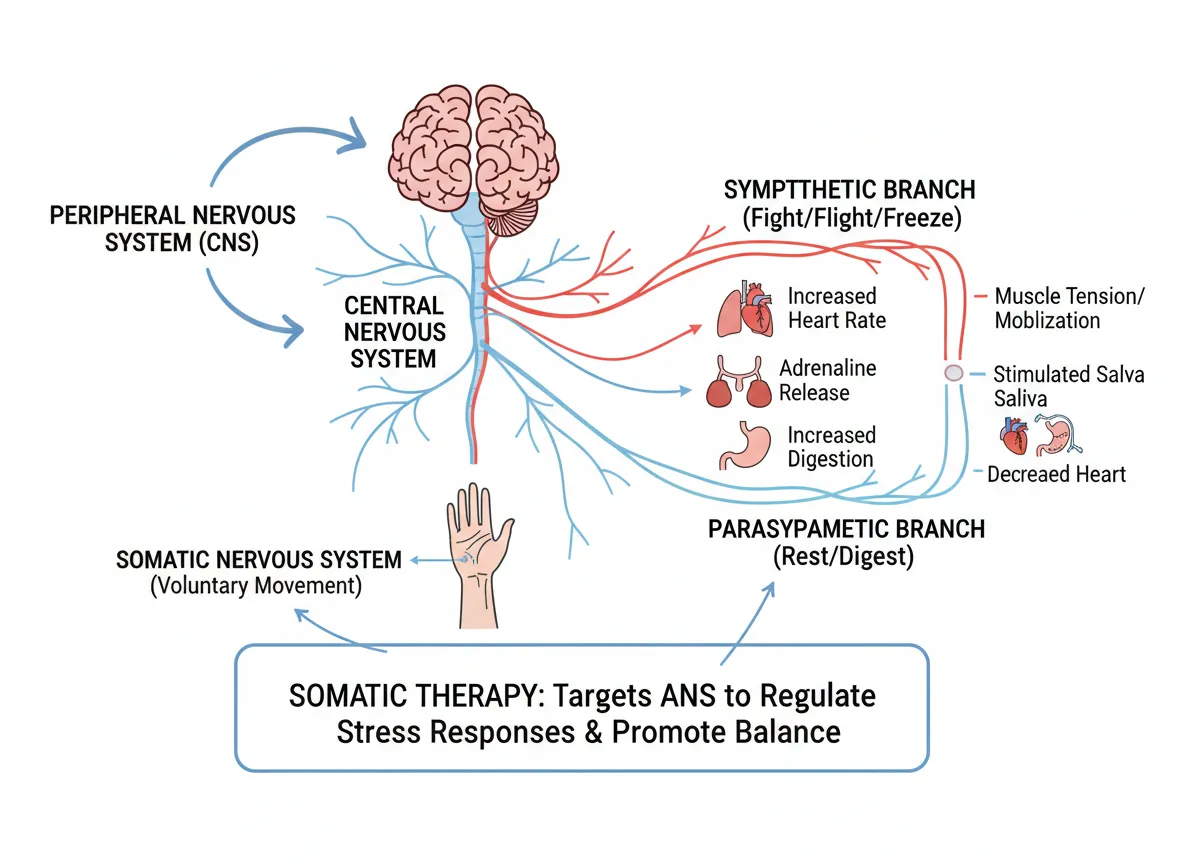
Somatic healing (also called somatic therapy) is a holistic approach that connects mind and body, helping people release trauma and chronic tension held in the body[1][2]. Rather than treating only thoughts, it works by tuning into physical sensations and nervous-system responses. For example, trauma can cause the body to tense, hold pain, or trigger “freeze” reactions. Somatic practitioners guide you to notice these sensations – gently breathing, moving or grounding – so the nervous system can unravel stuck patterns. This often reveals emotions or memories tied to the sensation, allowing healing without necessarily reliving the event[3].

: A labeled diagram of the central and autonomic nervous system could help illustrate how somatic therapy targets physiological stress responses (e.g. the fight/flight/freeze vs. rest/digest branches).

Somatic Therapy in the UK and US – What to Expect

The basic principles of somatic therapy are shared in the UK and US, but there can be regional nuances. In both countries, many practitioners blend Western clinical training with body-based methods. For example, a UK counselor might be trained in sensorimotor psychotherapy or Somatic Experiencing (SE), while in the US you’ll also find practitioners integrating indigenous bodywork or mindfulness-based somatic approaches. Importantly, top UK practitioners often hold formal certifications in somatic modalities on top of counseling credentials[4]. In fact, “the best somatic therapists in the UK…often complete rigorous certifications beyond basic counseling degrees,” ensuring they can safely guide complex bodywork[4].

By contrast, many US somatic therapists emphasize ongoing education and cultural sensitivity as key qualities. They may participate in international workshops or community forums to learn the latest body-mind techniques. One writer notes that leading somatic therapists in the US prioritize “collaborative care, cultural sensitivity, ongoing education, and flexible methods,” valuing client feedback and safety over quick fixes[5]. In practice, this means a good therapist (in either country) will listen to your background and tailor the work to you – whether that’s addressing cultural factors, belief systems, or simply your comfort level with touch.

Key Factors to Consider

When comparing somatic therapists, ask about their training, experience, and approach. Important factors include:

  • Specialized Somatic Training: Check for formal training in respected modalities (e.g. Somatic Experiencing, Sensorimotor Psychotherapy, Hakomi, etc.). Practitioners often undergo extensive programs (sometimes 2–3 years) covering anatomy, neurobiology, trauma work, and ethical touch[4][1]. Proper somatic healing training equips therapists to read body cues and guide the nervous system safely.
  • Experience with Your Issues: Look for therapists who’ve worked with your specific concerns (trauma, anxiety, chronic pain, etc.). Experienced practitioners will adapt somatic exercises to fit your story – for example, someone with PTSD might start very gently with breathing and gentle movement to avoid overwhelm.
  • Therapeutic Style: Ask about their usual session flow. Some may use light touch or massage; others focus on breathwork, mindful movement, or guided visualization. Others still work entirely without touch, using only verbal guidance and your self-exploration. (There’s no “one right way,” but clarity in advance helps you feel safe.)
  • Cultural Sensitivity: Ensure the therapist is comfortable with your cultural, gender, or spiritual identity. Cultural competence – the therapist’s awareness of how factors like race, gender or religion shape healing – is now recognized as essential in therapy[6]. A culturally sensitive somatic therapist will ask about your context and avoid assumptions, creating a welcoming space for your whole self.
  • Practicalities: Consider logistics such as location (in-person vs. online), session length, availability, and cost. Some somatic work may be covered by health insurance (especially if done by licensed counselors), but check this ahead of time.

Choosing a therapist is also about personal fit. We all have a sense of safety and trust; it’s okay to meet a few practitioners (many offer a free initial consultation) and go with the one where you feel understood.

Clearing Up Common Misconceptions

It’s normal to have questions or doubts about somatic therapy. Here are some myths and realities:

  • Not Just Relaxing Massage: Somatic therapy isn’t merely spa relaxation. While it can feel calming, it often involves active awareness. You might be invited to notice tightness in your shoulders or to breathe into a knot in your stomach, rather than just receiving passive touch. The goal is to rewire your nervous system – helping it learn to settle on its own – not just provide a one-time relaxation[7].
  • Complement to Talk Therapy: Somatic therapy doesn’t replace traditional psychotherapy; it complements it. Instead of rehashing the past, it helps your body release stored stress and “resets” reactivity. This can make concurrent talk therapy more effective. In fact, one guide explains somatic work as an “add-on, a way to reach emotional wounds that lie beneath words,” preparing the body so cognitive work can take deeper effect[8][7].
  • Trauma Doesn’t Always Mean Reliving the Past: You won’t be forced to dive into traumatic memories. Instead, somatic therapists focus on the present-moment sensations linked to those memories, within a safe boundary. This gently renegotiates trauma without retraumatizing you[9][3].
  • Energy Work is Optional: Some assume somatic healing is inherently “spiritual” or new-age. In truth, its core is neuroscience and physiology. However, some practitioners do incorporate energy-based modalities (like Kundalini Activation Therapy Massage, discussed below) if it fits your interests[10][4]. Such techniques are complementary – not required – and most therapists emphasize grounding and safety first. Somatic therapy remains rooted in tangible body cues and trauma science, making it accessible regardless of spiritual beliefs[10][11].
  • Not a Quick Fix: Healing is a process. Most therapists will stress that progress comes with time and practice. You may practice grounding or simple exercises between sessions. Patience and consistency often bring more lasting change than expecting instant “cures.”

In short, a qualified therapist will set realistic expectations and explain the process clearly. Don’t hesitate to ask them about any myths you’ve heard; their answers can tell you a lot about their approach.

Exploring Additional Modalities

Somatic therapists often blend multiple approaches. For example, many integrate mindfulness, gentle movement, breathwork, or even bodywork and massage. One unique technique to be aware of is Kundalini Activation Therapy Massage. This practice (sometimes called Kundalini Awakening Massage) aims to activate energy at the base of the spine (chakra work) alongside body awareness. It can involve light touch or massage patterns to release energetic blockages[12][4]. While not every therapist offers it, it may be a powerful complement if you’re drawn to subtle-energy work.

No matter the mix, the key is that techniques are tailored to you. If you’re curious about a particular modality – say, meditation, craniosacral work, or Thai bodywork – ask the therapist if they can integrate it. The best practitioners will explain how these tools fit your goals and will ensure each session feels personalized.

Finding Your Practitioner

Begin your search by exploring professional directories and referrals. In the UK, for example, the Somatic Experiencing Association UK has a practitioner registry (SEA UK), and UK Therapy Guide lists vetted somatic therapists[13][2]. In the US, Psychology Today and local trauma-centers often list certified somatic practitioners. You can also ask counselors, doctors or friends for recommendations – especially those who understand your needs.

When you find candidates, consider contacting 2–3 therapists for a brief phone/video chat. Ask about their training (“somatic healing training” specifics), experience, session format, and how they handle safety and boundaries. Notice how clearly they explain things and whether they seem to listen well. Trust and comfort are just as important as credentials.

A written list of questions can help you compare therapists. For example: “What certification do you have in Somatic Experiencing or related fields?” or “Can you describe a typical first session?” Their answers will give you insight into their approach and help you gauge your rapport.

What to Expect in a First Session

A typical first session often starts with a conversation about your history and goals. The therapist may ask about your health, trauma background (if any), and current symptoms. They will explain somatic therapy basics so you know what’s ahead. You might practice a simple grounding exercise together – for instance, noticing your breath or gently scanning your body for tension.

Expect the experience to feel different from talk therapy. You may sense physical feelings (warmth, tingling, heaviness) or emotional responses (tears, relief, or even laughter) as you notice and release tension. It’s also possible that nothing dramatic happens initially; progress can be subtle and cumulative. Trust the process: as one client story puts it, sometimes change is only noticed later (“my partner said I was calmer even though I hadn’t felt any big shift during session”)[14].

Your therapist should check in frequently, asking how you feel and adjusting pace. They will remind you that you can pause or stop at any time. After the session, it’s common to feel tired or lighter. Many therapists recommend resting, drinking water, or journaling to integrate whatever came up. Over time, you may notice small improvements – better sleep, less physical tension, or increased emotional resilience.

Cultural Sensitivity and Inclusivity

Healing happens best when you feel seen and respected. Reputable practitioners in both countries prioritize creating an inclusive environment. This means acknowledging how race, gender, religion, age, or social factors influence your experience. As one expert notes, cultural competence means a therapist has the awareness, knowledge, and skills to work effectively with diverse clients[6].

When interviewing therapists, you can ask: “Have you worked with clients from [my background or identity]?” or “How do you make sessions feel safe for someone of my culture/identity?”. A culturally sensitive therapist will welcome these questions. In the UK, many professional bodies now encourage ongoing diversity training, so you might even see mention of cultural competence in a therapist’s bio[6]. You should feel comfortable discussing any personal aspect of your identity or asking for accommodations (e.g. gendered language, religious considerations, etc.).

Teletherapy and Online Options

The digital age has made somatic healing more accessible, but it does change the experience. Many qualified therapists now offer online (telehealth) somatic sessions, expanding options for those in remote areas or with mobility issues. The convenience of meeting from home can reduce anxiety for some clients[15]. Research on online therapy (in general) shows it can be as effective as in-person work[15].

That said, understand the trade-offs. Some somatic techniques rely on in-person presence. For example, Wilson College notes that therapies “which incorporate physical components” (like hands-on somatic work) are typically done face-to-face[16]. If you prefer in-person bodywork (breath coaching, subtle touch, massage), seek a local practitioner. If online is your only option, ask the therapist how they adapt – often by focusing on breath, guided movement you do on your own, or internal awareness. A clear teletherapy plan and good internet setup will help your sessions feel safe and productive.

Final Thoughts

Choosing a somatic therapist need not be overwhelming. Start by clarifying what you want (stress relief, trauma recovery, self-awareness, etc.), and give yourself permission to explore a few options. Rely on evidence and expertise: look for practitioners with somatic healing training who balance science with empathy. Listen to your intuition during consultations – feeling genuinely heard is a strong sign of a good fit.

Somatic healing can be a powerful journey. As one guide emphasizes, it’s about “reconnecting with your body and emotions in a way that feels meaningful and safe for you.”[3][4]. Whether you’re dealing with long-held trauma or simply seeking a deeper mind-body connection, the right practitioner is out there. With realistic expectations and a bit of research, you can find someone who helps transform how you experience stress and well-being. Good luck on your healing path – it’s a step toward understanding and caring for your whole self.

Hire Female Escorts for Bachelor’s & Sex Parties in Bangalore

Laughter bounced off Koramangala’s walls that balmy November night in 2025. Rohan’s crew crammed into Loft 38, shots clinking like secrets. The groom-to-be grinned wide, but his eyes darted—craving that extra kick before vows locked him down. Enter female escorts, Bangalore’s sly spark for bachelor bashes and sex soirees.

These nights pulse with erotic charge, where strip teases melt into group gropes, bodies slick under strobes. Parties here dodge the dull, diving straight into adult abandon—consensual romps that honor India’s grey-legal nod to private pleasures. No brothels, no streets; just vetted vixens turning toasts into tangled limbs.

Sketching the Sultry Setup

Venues set the stage for fierce. Ruppi’s Resort sprawls with pools that reflect moonlit mischief, ideal for poolside pole dances that draw gasps. Area 83 flips adventure into allure—ziplines by day, zippers down by dusk in cabanas humming with hidden hungers.

Urban picks like Nusa in Gunjur throb with bass, corners cozy for lap dances that escalate to erotic eddies. Budgets bite 50,000 rupees for a squad of five, covering entry and extras. Rohan’s bash?

Started tame with trivia, spiraled to a hired trio’s synchronized sways. “Like fireworks in flesh,” one pal texted next morn. Trends tilt kinkier this year—Bangalore’s kink scene swells, per local whispers, blending BDSM teases with classic cock teases.

Snagging the Right Sirens

Discretion drips from every deal. Reputable agencies hide in app shadows, profiles popping with unposed poses and kink codes. Hire party escorts in Bangalore for night events means scanning reviews on Reddit rants or Quora confessions—real nods from rogues past. Chat vibes first: does her banter bite back?

Rates rocket for groups, 15,000 rupees per hour per pro, but packs trim the tab. Frame it fun—laws greenlight adult sex in private, Supreme Court sealed it in ’22, shielding consenting crews from cop glares. Skip solos; agencies vet IDs, dodging the dodgy drifts that snag newbies.

Fanning Flames of Forbidden Fun

Escorts elevate the erotic arc. Champagne pops precede pole spins, poles gripped like lovers’ hips, bodies arching in arcs that hypnotize. Strip routines unravel slow—lace layers peeling to reveal tattoos that trace temptation. Sex parties crank it carnal: daisy chains in dim dens, toys tossed like confetti, moans mashing with mix tapes.

Book escorts for adult-themed parties in Bangalore unlocks variety—Russians with icy fire or locals laced with Kannada heat. One stag swore by a themed twist: naughty nurses nursing hangovers with handy releases. Flexibility fuels it; pros pivot from playful pranks to pounding passions, ensuring every guest tastes the thrill.

Locking Down the Loose Ends

Vigilance vaults the vibe. Insist on STI screens stamped weekly—top outfits staple them like invites. Condoms crown the chaos, public meets prime the pump: a quick clink at Toit sniffs scams. Share deets with a sober sentinel; apps ping without parade.

Consent crackles core—pauses rewrite reels, no pressures permitted. India’s Immoral Traffic Act nips at pimps, not private pulses; keep it closed-door. Rohan dodged drama by double-checking the docs. Left legends, not lawsuits.

Planning a memorable celebration often goes beyond the basics, and many readers exploring how to hire female escorts for bachelor’s and private parties in Bangalore may also be interested in more personalized companionship options. If you’re looking for refined, discreet, and high-quality experiences tailored to deeper desires, you can also explore our detailed guide on Get Professional Escorts for Mischievous Sexual Desires in Bangalore. This resource explains how professional companions offer a more customized, trusted, and fulfilling experience while maintaining privacy and comfort. Linking both guides helps you compare services, understand your choices, and make a more confident decision based on the style of experience you prefer.

Bangalore’s beats beg for bold breaks. Escorts don’t crash the party—they crown it. Rally the crew. Revel raw.